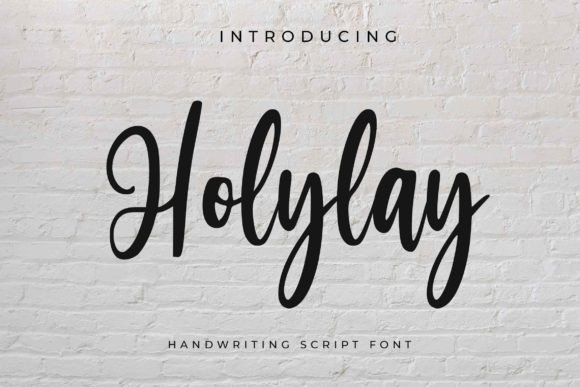
Holylay: A Delicate Handwritten Font for Modern Web Design
Holylay is more than just a pretty typeface—it’s a versatile script font designed to bring warmth and personality to digital interfaces. As a web designer, I look for fonts that can carry brand tone while maintaining readability and layout balance. Holylay does both. Its elegant, dainty strokes and soft handwritten feel make it ideal for creative brands that want to appear approachable yet refined online.
When used in web design, Holylay shines in title text, hero headers, and short-form branding elements. It’s a Script Amp font that feels natural in digital spaces where a human touch is needed. Whether it’s a boutique e-commerce site or a personal coaching landing page, this font adds a layer of emotional connection without overwhelming the layout.
Visual Characteristics and Digital Appeal
Holylay’s design is rooted in delicate, flowing letterforms that mimic natural handwriting. The subtle variation in stroke weight and the gentle bounce in its baseline give it a lively rhythm that works well in visual storytelling. On screen, it maintains clarity at larger sizes, making it a strong contender for hero sections, call-to-action buttons, and logo treatments.
Unlike bolder script fonts that can feel chaotic or outdated, Holylay strikes a balance between modernity and charm. It avoids excessive flourishes that can distract from content hierarchy. Instead, it offers a clean, minimalist script that complements contemporary UI design trends.
Best Use Cases in Web and Digital Design
From experience, I’ve found Holylay performs exceptionally well in specific web design contexts. Here are a few key areas where it adds value:
- Hero Headers: Its elegant structure makes it perfect for large, attention-grabbing titles that still feel intimate.
- Call-to-Action Buttons: When used sparingly on short phrases like “Get Started” or “Learn More,” it enhances visual appeal without hurting readability.
- Blog Headers and Graphics: Adds a personal touch to editorial layouts and content thumbnails.
- Logo and Branding Elements: Works well as a logotype or accent font in brand kits for lifestyle, wellness, or creative businesses.
- Social Media Graphics: Ideal for quote cards, story highlights, and branded visual assets that need a handmade feel.
Readability and Responsive Design Considerations
When integrating Holylay into a responsive design system, it’s important to consider screen size and background contrast. At smaller sizes—like on mobile buttons or caption text—it can lose definition. I recommend using it at 18px or larger for optimal clarity, especially on dark backgrounds or image overlays where contrast is lower.
On mobile devices, ensure that any text using Holylay is not too condensed or tightly spaced. Kerning adjustments may be needed for better legibility, especially when placed over photos or gradient backgrounds. For accessibility, always pair it with high-contrast colors and test readability across devices.
Font Pairing Strategies for Holylay
One of the strengths of Holylay is how well it pairs with other typefaces. Since it’s a decorative script font, it’s best complemented by clean, minimalist fonts in supporting roles. Here are a few effective combinations:
- Holylay + Open Sans: A modern sans-serif that keeps body text clean and legible while letting Holylay handle the visual flair.
- Holylay + Playfair Display: For editorial or luxury brands, this serif pairing adds sophistication and visual depth.
- Holylay + Lato: A versatile choice for SaaS landing pages or service websites where approachability meets professionalism.
These combinations help maintain a strong visual hierarchy. Holylay takes center stage in headers or accents, while the secondary font ensures readability and structural consistency.
Practical Examples in Real-World Web Projects
I’ve used Holylay effectively in several types of digital products:
- Creative Portfolio Sites: For a designer or photographer, Holylay works well in the hero section and project titles, adding a personal, curated feel.
- Boutique Online Stores: On product landing pages or promotional banners, it gives a handmade, artisanal impression that aligns with premium branding.
- Coaching and Wellness Websites: Perfect for testimonials, course titles, and branding headers where warmth and trust are key.
- Course Sales Pages: Enhances the emotional appeal of headlines and key benefits, encouraging user engagement and conversions.
Technical and Licensing Notes for Web Use
Before embedding Holylay into a live site or client project, always verify the font license. Most premium fonts, including Holylay, come with a commercial license that allows use across websites, digital templates, and brand assets. Check if webfont formats like WOFF or WOFF2 are included, as these are essential for cross-browser compatibility.
Also, review the available styles—some script fonts only offer one weight. Holylay typically includes a standard style with optional alternates, giving designers flexibility in character customization. Multilingual support is another factor to consider, especially for global brands or international e-commerce stores.
Final Thoughts on Holylay for Digital Designers
Holylay is a refined, readable script font that brings personality to web design without sacrificing usability. It’s a strong choice for brands that want to feel human, approachable, and elegant. When used thoughtfully in headers, logos, and branded web sections, it supports visual storytelling and enhances the emotional tone of a digital experience.
As with any decorative font, moderation is key. Holylay excels as a display font or accent typeface rather than for long-form body copy. Paired with a legible sans or serif font, it becomes a powerful tool in crafting a cohesive, brand-aligned digital presence that users can easily navigate and connect with.